The Buildings and Slopes
The buildings and slopes are a core difference between residential and commercial metal roofing, and a Anson homeowner benefits from understanding them. Here is the picture.
Residential Pitched Roofs
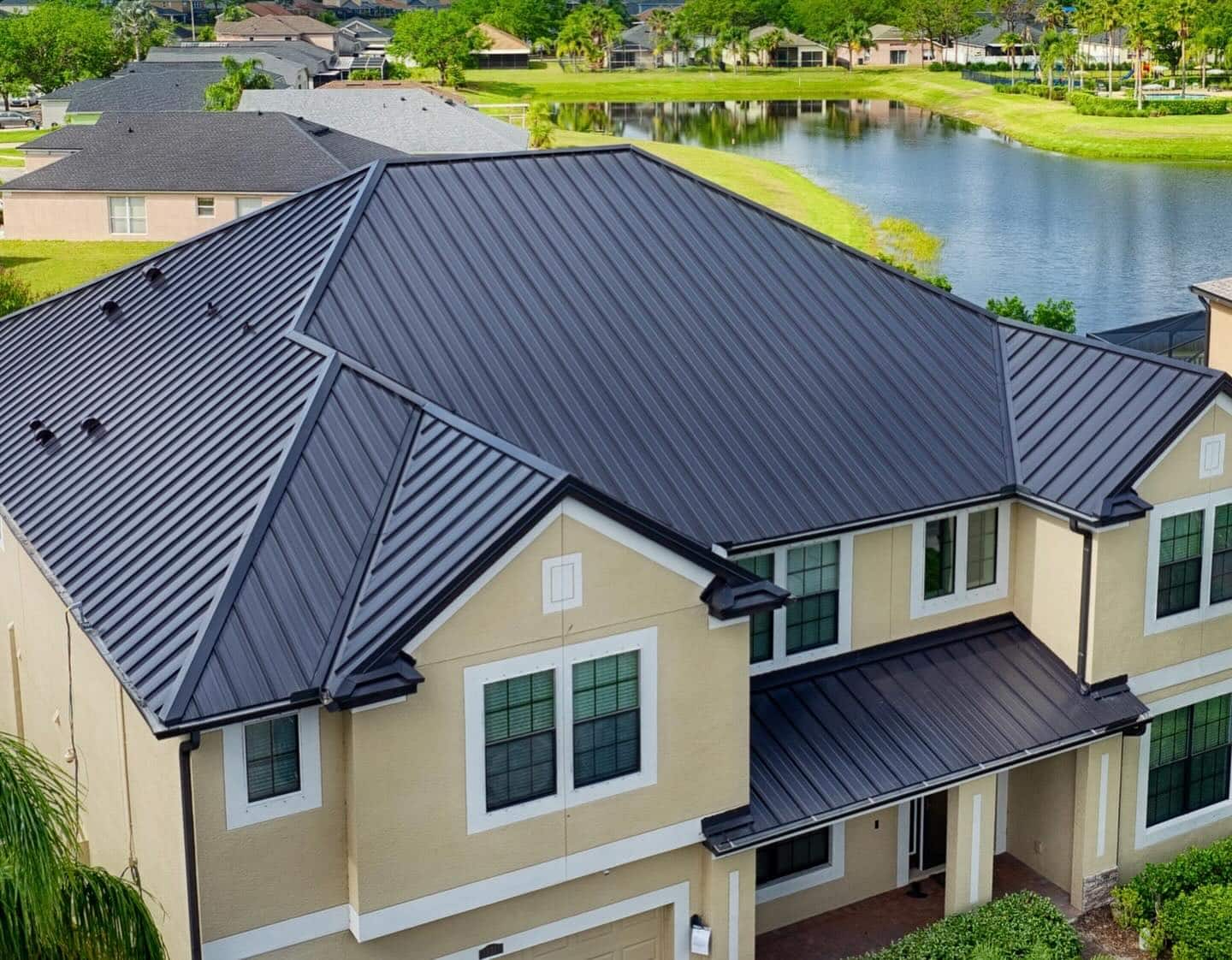
Residential homes typically have pitched roofs with enough slope to shed water, which suits metal roofing systems designed for sloped roofs. Homes are pitched. They have slope. They shed water by pitch. They suit sloped systems. It shapes the roofing.
Commercial Low-Slope and Flat Roofs
Commercial buildings often have low-slope or flat roofs, large expanses with minimal pitch, which call for systems suited to those conditions. Commercial roofs are often flat. They have minimal slope. They are large expanses. They need suitable systems. It differs from homes.
How Slope Affects the System
The slope affects which metal roofing system suits, since steeper residential roofs and low-slope commercial roofs have different requirements for shedding water and detailing. Slope shapes the system. It sets requirements. Pitched and flat differ. It affects water-shedding. It is fundamental.
Residential Variety
Residential pitched roofs come in various shapes and pitches, with metal roofing suited to the range of home roof designs. Homes vary in shape. Pitches differ. Metal suits the range. It fits home designs. It is versatile.
Matching the Roof to the Building
The metal roofing is matched to the building's slope and design, residential or commercial, so the system suits the structure. The roofing fits the building. It matches the slope. It suits the design. It is appropriate. It is tailored.
Buildings and Slopes, in Short
Residential homes typically have pitched roofs suited to metal systems for sloped roofs, while commercial buildings often have low-slope or flat roofs calling for systems suited to those conditions, so the slope affects which system suits, with the roofing matched to the building's slope and design.
One point worth making clear for Anson homeowners is that while you may hear about both residential and commercial metal roofing, the two, although they share the same fundamentally durable material and its core benefits, differ in ways that come down to the buildings they go on, and as a homeowner it is residential metal roofing that is relevant to you. The starting point is what they have in common, both residential and commercial metal roofing use durable metal and share its key benefits of longevity, weather resistance, and low maintenance, so the underlying material and its advantages are the same. The differences arise from the application. Residential metal roofing goes on homes, which typically have pitched roofs with enough slope to shed water, whereas commercial metal roofing often goes on larger buildings like businesses and warehouses, which frequently have low-slope or flat roofs, large expanses with minimal pitch. This difference in slope is significant, because it influences which roofing systems are suitable, steeper residential roofs and low-slope commercial roofs have different requirements for shedding water and for detailing. The systems themselves reflect this, residential metal roofing includes systems like standing seam and metal shingles that suit homes, while commercial roofing includes systems suited to large, often low-slope buildings, such as certain standing seam and structural panel systems. Standing seam, interestingly, is used in both worlds, with versions suited to each application. The priorities differ too, residential roofing places real emphasis on appearance alongside performance, because a home's roof affects its curb appeal, while commercial roofing often emphasizes function and coverage with appearance a lesser concern, though both value durability highly.
One point worth making clear for Anson homeowners is that while you may hear about both residential and commercial metal roofing, the two, although they share the same fundamentally durable material and its core benefits, differ in ways that come down to the buildings they go on, and as a homeowner it is residential metal roofing that is relevant to you. The starting point is what they have in common, both residential and commercial metal roofing use durable metal and share its key benefits of longevity, weather resistance, and low maintenance, so the underlying material and its advantages are the same. The differences arise from the application. Residential metal roofing goes on homes, which typically have pitched roofs with enough slope to shed water, whereas commercial metal roofing often goes on larger buildings like businesses and warehouses, which frequently have low-slope or flat roofs, large expanses with minimal pitch. This difference in slope is significant, because it influences which roofing systems are suitable, steeper residential roofs and low-slope commercial roofs have different requirements for shedding water and for detailing. The systems themselves reflect this, residential metal roofing includes systems like standing seam and metal shingles that suit homes, while commercial roofing includes systems suited to large, often low-slope buildings, such as certain standing seam and structural panel systems. Standing seam, interestingly, is used in both worlds, with versions suited to each application. The priorities differ too, residential roofing places real emphasis on appearance alongside performance, because a home's roof affects its curb appeal, while commercial roofing often emphasizes function and coverage with appearance a lesser concern, though both value durability highly.
One point worth making clear for Anson homeowners is that while you may hear about both residential and commercial metal roofing, the two, although they share the same fundamentally durable material and its core benefits, differ in ways that come down to the buildings they go on, and as a homeowner it is residential metal roofing that is relevant to you. The starting point is what they have in common, both residential and commercial metal roofing use durable metal and share its key benefits of longevity, weather resistance, and low maintenance, so the underlying material and its advantages are the same. The differences arise from the application. Residential metal roofing goes on homes, which typically have pitched roofs with enough slope to shed water, whereas commercial metal roofing often goes on larger buildings like businesses and warehouses, which frequently have low-slope or flat roofs, large expanses with minimal pitch. This difference in slope is significant, because it influences which roofing systems are suitable, steeper residential roofs and low-slope commercial roofs have different requirements for shedding water and for detailing. The systems themselves reflect this, residential metal roofing includes systems like standing seam and metal shingles that suit homes, while commercial roofing includes systems suited to large, often low-slope buildings, such as certain standing seam and structural panel systems. Standing seam, interestingly, is used in both worlds, with versions suited to each application. The priorities differ too, residential roofing places real emphasis on appearance alongside performance, because a home's roof affects its curb appeal, while commercial roofing often emphasizes function and coverage with appearance a lesser concern, though both value durability highly.
Get a Roof Matched to Your Home
Anson Metal Roofing installs metal roofing matched to your home's roof across Anson and Boone County. Call (765) 676-3491 for a free consultation on a metal roof suited to your home's design.